
Why Logic Puzzles (Cryptograms & Kakuro) are the Next Big Trend in Publishing
If you’ve spent any time looking at the Amazon Bestseller lists lately, you’ve likely noticed a shift. While "Sudoku for Seniors" remains a titan, two once-obscure niches—Cryptograms and Kakuro—are quietly climbing the ranks.
In 2026, we are seeing the "Murdle Effect." Much like how Murdle brought deductive mystery puzzles into the mainstream, modern adults are moving beyond simple word searches. They are looking for "Active Brain" experiences that offer a higher level of intellectual satisfaction.
Here is why these two niches are the next goldmine for KDP publishers and how you can ride the wave.
1. The "Digital Detox" and Brain Health Boom
The primary driver behind the logic puzzle resurgence is a cultural shift toward cognitive resilience. * The Health Narrative: As the global population ages, the "Brain Training" market is projected to grow by USD 130 billion by 2035. Consumers aren't just buying puzzles; they are buying a "shield" against cognitive decline.
- Tactile Satisfaction: In an increasingly AI-driven digital world, the act of physically writing a solution in a book is becoming a form of mindfulness. Cryptograms and Kakuro require a deep "flow state" that scrolling simply can't provide.
2. Cryptograms: The Linguistic Deduction Niche
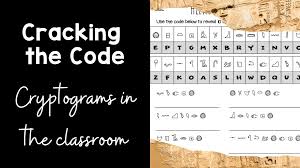
Cryptograms (substitution ciphers) are trending because they combine logic with storytelling. Unlike a standard crossword, a Cryptogram reveals a secret quote—often inspirational, humorous, or historical.
- Why they sell: They appeal to readers and writers (the "Wordle" crowd) who enjoy linguistic patterns.
- The 2026 Trend: We are seeing massive success in "Niche Cryptograms," such as Inspirational Quotes for Nurses or Hilarious Dad Joke Cryptograms. By narrowing the theme, you make the book a perfect gift.
3. Kakuro: The "Math-Crossword" Hybrid
Kakuro is often described as "Sudoku on steroids" or "Cross Sums." It’s a mathematical crossword where players use logic and basic addition to fill a grid.
- Why they sell: It hits the "sweet spot" of difficulty. It’s harder than Sudoku but easier to understand than complex algebra.
- Market Gap: While the UK and Japan have high Kakuro saturation, the US market is currently under-served in the "Large Print Kakuro for Seniors" sub-niche.
4. How to Capitalize Without Burning Out
The challenge with these puzzles is the complexity of creation. You cannot manually design 100 Cryptograms without making a typo that breaks the code.
To succeed in 2026, you need to move from "Hand-Crafting" to "Architecting."
Strategy for Success:
- Niche Down: Don't just make a "Puzzle Book." Make a "Kakuro Book for Engineering Retirees."
- Focus on "Gutter" Quality: Because these puzzles require heavy pencil work, your interior layout must be perfect. (Reference our guide on KDP Bleed Errors to ensure your grids don't get cut off).
- Use High-Volume Tools: Scaling a puzzle brand requires volume.
Final Thoughts
The 2026 publishing landscape favors the "Specialist." By moving into Cryptograms and Kakuro, you are positioning yourself in a market that rewards complexity and provides genuine value to the user’s mental health. Stop chasing the 100th version of "Easy Sudoku" and start building a brand in the growing world of elite logic puzzles.
Ready to take your publishing to the next level? Start using Inkrgo today.
Subscribe to our newsletter
Get the latest self-publishing tips delivered straight to your inbox.